How to Handle Bridges, Tunnels, and Aqueducts Safely on Your Canal Boat Holiday

Travelling along the UK canal network involves more than simply steering the boat forward. The waterways pass through historic landscapes that include narrow bridges, long tunnels, and impressive aqueducts. These features are part of what makes canal boat holidays memorable, but they also require careful navigation.

For those looking to book their next luxury narrowboat holiday, understanding how to approach these structures calmly and safely makes the journey smoother and more enjoyable.


How to approach canal bridges

Canal bridges often look straightforward from a distance, yet they can become narrow as you move closer. Older bridges were built when boats were slightly smaller, so steering accurately is important.

The best approach is to slow the boat well before reaching the bridge. Moving at a steady, controlled speed gives you time to adjust your position. Aim to line the boat up with the centre of the arch rather than trying to correct your direction at the last moment.

In practice, the water may move slightly as the boat enters the bridge hole, particularly if another boat has recently passed through. Keeping one hand steady on the tiller can help to maintain a straight course.

During canal boat holidays, bridges appear frequently along some routes, so this calm and controlled approach quickly becomes second nature.

How to navigate canal tunnels

Tunnels can feel intimidating at first, especially if they are long or dimly lit. However, most are designed to accommodate narrowboats safely when basic guidelines are followed.

Before entering a tunnel, check that your navigation lights are switched on. This allows approaching boats to see you clearly. Sounding the horn briefly before entry can also alert other boaters that you are approaching.

Once inside, keep the boat moving slowly and maintain a straight line. The walls can appear closer than they really are, particularly in darker sections. Looking ahead rather than focusing on the sides helps keep the boat aligned.

Luxury narrowboat holidays often include routes with historic tunnels, which are a fascinating part of the canal system’s engineering heritage.

How to cross aqueducts

Aqueducts are among the most striking features of the canal network. These elevated structures carry the canal over rivers, valleys, or roads. While the views can be impressive, they also deserve careful attention when navigating.

The key to crossing an aqueduct safely is maintaining a steady pace and avoiding sudden steering movements. Many aqueducts have low edges rather than high walls, which can make the drop below more visible.

In practice, narrowboats are stable when travelling at low speeds. As long as the boat is aligned correctly and moving calmly, the crossing usually feels easier than it first appears.

For many people enjoying canal boat holidays, aqueduct crossings become one of the highlights of the journey.

How to pass other boats on the canal

Bridges, tunnels, and aqueducts often require cooperation between boaters. If another boat is approaching from the opposite direction, it is courteous to slow down and allow space where possible.

In some narrow tunnels, signage may indicate which direction has priority. Paying attention to these instructions helps avoid confusion.

A friendly wave or short conversation between crews is common on the canals and contributes to the relaxed atmosphere that many people appreciate during luxury narrowboat holidays.


At the beginning of a trip, navigating these structures may feel unfamiliar. After passing through several bridges or tunnels, most people gain confidence quickly.

The key is patience and steady control of the boat. Taking time to observe your surroundings and adjust your speed helps avoid unnecessary stress.

With a little practice, handling bridges, tunnels, and aqueducts becomes one of the most rewarding parts of exploring the UK’s waterways.


FAQs


Do canal bridges require special skills to navigate?

Most bridges simply require slowing down and aligning the boat with the centre of the arch.


Are canal tunnels safe for beginners?

Yes, when lights are used and boats move slowly, tunnels can be navigated safely.


What should I do if another boat approaches in a narrow area?

Slow down and communicate with the other boater to decide who will pass first.


Are aqueducts difficult to cross on a narrowboat?

They usually feel easier than expected when the boat moves steadily and stays centred.


Do you encounter many bridges and tunnels on canal boat holidays?

Yes, many routes include several of these historic features, which add to the experience of exploring the canal network.

The Complete Beginner’s Guide to Hiring a Canal Boat in the UK

There’s nothing quite like the peace and charm of a canal holiday. Drifting gently along the water, passing through the countryside, and exploring hidden corners of towns and villages; hiring a narrowboat is one of the most relaxing ways to experience the UK. But if you’ve never done it before, the idea of taking the helm of your own floating home might feel a little daunting.

Here’s a complete beginner’s guide to help you feel confident and prepared for your first canal boat hire experience.

What Is a Narrowboat?

Narrowboats are long, slim vessels designed specifically for navigating the UK’s historic canal network. They typically range from 30 to 70 feet in length and are equipped with living facilities such as beds, a kitchen, bathroom, and heating. Today’s hire boats are comfortable and modern, offering a unique way to explore the countryside without sacrificing convenience.

Who Can Hire a Canal Boat?

Anyone over the age of 18 can hire a canal boat in the UK. No previous experience or licence is required, as reputable operators provide a full handover and basic training before your journey begins. You’ll learn how to steer, moor up, and operate locks and bridges safely.

That said, being comfortable with hands-on tasks and happy to move at a slow pace are both helpful traits for first-time boaters.

Choosing the Right Boat for Your Group

When looking into canal boats hire options, think about the size and layout you’ll need. Boats vary in length and can typically accommodate between 2 to 12 people. Consider how many separate sleeping areas are needed, how much cooking you’ll be doing onboard, and whether certain amenities (such as an extra toilet or bathroom) are a must for your group.

Also think about the level of luxury you’re after. Some boats are designed with a no-frills approach for a rustic experience, while others feature stylish interiors and home comforts.

Planning Your Route

The UK canal system offers hundreds of miles of waterway to explore, from rural stretches to bustling city wharves. First-time hirers often choose a circular route, known as a ‘ring’, which lets you return to the starting point without retracing your steps. Alternatively, you can take a one-way route if the hire company offers boat relocation.

When choosing a route, take into account the number of locks, tunnels, and bridges, as well as how many cruising hours you want to cover each day. The average canal boat travels at about 4 miles per hour, so slow and steady is the name of the game.

What to Expect on the Water

Narrow boat hire offers a peaceful escape, but also requires a bit of practical effort. You’ll need to operate locks, navigate tight turns, and moor up safely for the night. Most canals have plenty of places to stop, with access to local shops, pubs, and attractions along the way.

It’s important to be considerate to other boaters, follow signage, and stick to designated mooring areas. Make sure to pack suitable clothing for changing weather, and remember that space onboard is limited, so try to pack light.

Staying Safe

Safety is a key part of any canal boats hire experience. Life jackets are usually provided, especially for children or non-swimmers. You’ll be shown how to safely operate the boat and locks before setting off, and most boats are fitted with safety equipment such as fire extinguishers, carbon monoxide/smoke alarms, and first aid kits.

Stick to daylight cruising hours, watch your speed, and avoid alcohol when driving the boat. It’s a calm environment, but caution and common sense go a long way.

Hiring a narrowboat is a fantastic way to see a different side of the UK. With a bit of planning and an open mind, your first journey can be a memorable adventure filled with slow mornings, scenic views, and a true sense of escape. Whether you’re after a weekend break or a longer holiday, narrow boat hire offers a unique and rewarding experience on the water.

Canal Etiquette: The Do’s and Don’ts of Boating Holidays

There’s nothing quite like drifting along Britain’s tranquil waterways. With scenic views, peaceful surroundings and the charm of canal life, narrow boat holidays offer a unique way to unwind. But whether you’re new to the tiller or a seasoned cruiser, there are a few unwritten rules that help keep the experience enjoyable for everyone.

Understanding basic canal etiquette is just as important as knowing how to steer. It’s about showing courtesy to fellow boaters, protecting the environment and keeping our historic canal network in good shape.

Keep to the Right Speed

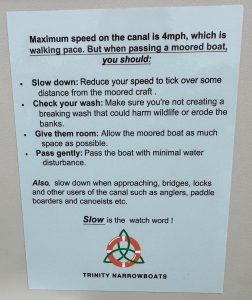
One of the greatest joys of luxury narrowboat holidays is the slower pace. But there’s still such a thing as going too fast. The general rule is to cruise at walking pace, and even slower when passing moored boats. Excessive speed can cause moored boats to rock or ropes to loosen, which is not only discourteous but potentially damaging. Always slow down well in advance and be prepared to drop speed further if you see any activity near the moorings.

Give Way at Bridges and Locks

Many bridges and locks on the canal network are only wide enough for one boat at a time. The boat that arrives first has right of way, but communication is key. A polite wave or nod helps to avoid confusion and shows good manners on the water. If you’re waiting, be patient and hover calmly without blocking access.

When using locks, share them where possible. This saves water and time. If another boat is approaching, wait and offer to go through together. Remember to close gates and paddles properly behind you to help conserve water for others.

Respect Mooring Guidelines

When it’s time to tie up for the day or stop for lunch, look out for designated mooring areas. Many spots are marked for short-term use only, particularly near facilities or popular towns. Avoid mooring at bridge landings, water points or lock landings unless you are actively using them.

Use mooring pins or bollards properly, keeping lines tidy to avoid trip hazards. And of course, keep the noise down in the evenings, especially in residential areas.

Be Friendly and Courteous

The canal community is a welcoming one. A quick hello, wave or chat at the locks goes a long way in building that friendly atmosphere. If someone offers help, take it kindly. Likewise, be ready to lend a hand if another crew looks like they need one. It’s this spirit of cooperation that makes narrow boat holidays such a rewarding experience.

Mind the Environment

One of the most appealing aspects of canal travel is the close connection to nature. But with that comes responsibility. Always dispose of rubbish properly and recycle when possible. Use designated pump-out and water stations, and never discharge waste into the canal.

Keep engine noise and fumes to a minimum when stationary. If you’re enjoying luxury narrowboat holidays, part of the appeal is the peace and quiet; for you and everyone else.

Keep Dogs and Children Safe

Many boaters bring along their four-legged friends or young family members. Make sure children are supervised at all times near the water and that dogs are under control, especially around wildlife or other dogs. Life jackets are advisable for both, and boarding should be done slowly and carefully.

Don’t Hog Water Points or Turning Areas

Water points are shared resources and not places to moor for extended breaks. Fill up and move on so others can access them too. Similarly, winding holes (turning spaces) should be kept clear unless you’re actively using them.

Luxury narrowboat holidays offer more than just travel; they provide an experience rooted in tradition, tranquillity and shared space. Respecting canal etiquette ensures that everyone gets the most out of their time on the water. With a little awareness and a lot of courtesy, your boating break will be smooth sailing from start to finish.