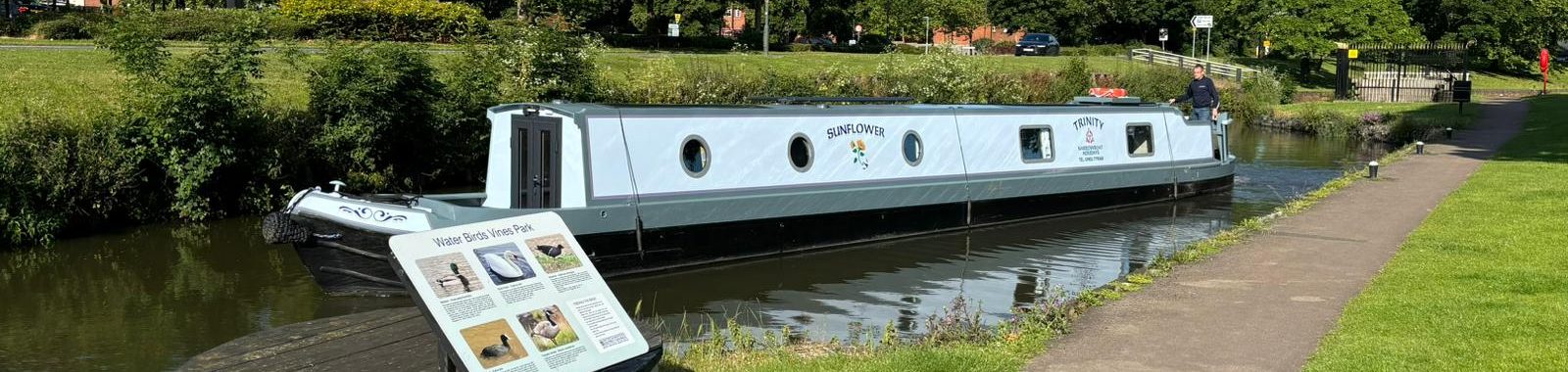
How to Moor Your Canal Boat Safely

Mooring is one of the essential skills for anyone enjoying Britain’s waterways. Whether you are new to boating or simply refreshing your knowledge, understanding how to moor a canal boat safely makes the whole experience more enjoyable. For those considering canal boats hire or planning a luxury narrowboat holiday, learning the basics helps you feel confident and relaxed from the moment you set off.

Safe mooring is not complicated, but it does require awareness, patience, and a steady approach. The more you practise, the more natural it becomes.

How to choose the right place to moor your canal boat

Your first step is choosing a suitable mooring spot. Look for a straight section of bank with enough depth to bring the boat in without grounding. Avoid bends, sharp turns, or areas with heavy overhanging branches. If the towpath is busy, try to leave plenty of space for walkers and cyclists.

There are designated mooring spots near many popular routes, especially on stretches commonly used by people on narrowboat holidays. These areas are usually well maintained and easier for beginners. Avoid mooring too close to locks, bridges, water points, or junctions, as these are busy areas where boats need room to manoeuvre.

How to approach the canal bank

The safest way to approach a mooring is slowly. Reduce your speed early and line up the boat so that you glide gently towards the bank. If you come in too fast, you risk bumping the side or drifting past your intended spot.

Use small, steady adjustments on the tiller to keep the boat straight. As you get close to the bank, ask one person to step off safely with a rope. They should never jump, as towpaths can be slippery or uneven.

How to correctly tie up a canal boat

Once someone is on the bank, you can begin securing the boat. Start with the centre line if you have one. Holding the centre line keeps the boat stable while you attach the bow and stern ropes.

Tie the bow rope first, then the stern, using strong, simple knots that are easy to undo. The most common knots for mooring are the round turn and two half hitches. Make sure the ropes are secure but not overly tight. The boat needs freedom to rise and fall with passing water movement.

If you are using mooring pins, hammer them into the ground at a slight angle, pointing away from the boat. This keeps them secure and reduces the risk of them loosening if another boat passes. Always position pins where other towpath users can see them clearly.

How to check you are moored safely

After tying up, take a moment to check for hazards. Ensure ropes are not creating trip risks across the towpath. If you are moored near a busy route, keep fenders in place to prevent knocks from passing boats.

During a canal boat holiday, it is common to moor in scenic rural spots. In these areas, the ground may be soft. If a pin feels loose or unstable, reposition it until it sits firmly. A gentle tug on the rope will confirm whether it is secure.

How to stay safe overnight on your canal boat

If you plan to stay overnight, choose a quiet and comfortable mooring spot. Check weather conditions, especially wind direction, as strong gusts can cause movement. Make sure all ropes are secure, and use your fenders to protect the sides of the boat.

Many people on luxury narrowboat holidays enjoy evenings moored in peaceful countryside locations. As long as you follow safe mooring steps, these stops are relaxing and enjoyable.


The most important thing to remember is not to rush. Mooring should feel calm and controlled. Communicate clearly with anyone helping you and stay aware of your surroundings. With practice, mooring becomes second nature and adds to the pleasure of travelling the canals.

How to Navigate Canal Locks Safely

Canal locks are an essential part of Britain’s waterways and a unique feature that adds charm to the experience of travelling by boat. For those planning narrow boat holidays, understanding how to use locks safely and confidently is an important skill. While they may seem daunting at first, with a little knowledge and teamwork, navigating locks can become one of the most enjoyable parts of the journey.

How do canal locks work?

Locks are used to raise or lower boats between stretches of water at different levels. Each lock is an enclosed chamber with gates at both ends. Water levels are controlled by sluices or paddles that can be opened or closed using a winding handle called a windlass.

When you approach a lock, you will either need to fill it or empty it so that the water level matches the level your boat is currently on. Once the levels are equal, the gates can be opened and your boat can safely move in or out.

If you are new to canal boats hire, it is worth spending some time watching other boaters go through the process before trying it yourself. Most boaters are friendly and happy to offer advice to beginners.

How to enter a canal lock safely

Approach slowly and steadily, keeping the boat under control. It helps to have one person steering and another operating the lock gates. If you are travelling with others, agree on hand signals or simple instructions so that communication is clear.

Before opening any gates or paddles, always check that the lock is set in your favour. This means the water level inside the lock matches your current level. If it does not, and you can’t see another boat approaching the lock you will need to fill or empty it using the paddles. Open them gradually to prevent water from rushing in too fast, which could make the boat move unexpectedly.

When entering the lock, steer carefully into the centre and keep the boat away from the sides. For wide locks, use ropes to hold it steady against the lock wall as the water level will change.

How to operate a canal lock

As the water rises or falls, keep a close eye on the movement of your boat. The person at the helm should adjust the tiller as needed to maintain balance and prevent the boat from drifting or catching on the lock walls, and when descending a lock pay close attention to keep the stern of the boat clear of the ‘cill’ as the lock empties.

For those taking narrow boat holidays, teamwork is key. One person can manage the paddles while another monitors the boat. Open and close the paddles slowly and evenly on both sides to avoid turbulence inside the lock. When the water level has equalised, the gates can be opened.

It is always safer to use both hands when winding the paddles, and to stand well clear of the gates and moving parts. Locks can be heavy, so take your time and never rush the process.

How to exit a canal lock safely

Once the gates are open, steer gently out of the lock, keeping a steady pace. Make sure the boat is clear before closing the gates and paddles behind you. Leaving the lock ready for the next boater is good canal etiquette. NEVER leave paddles raised as this will drain the pound of water.

If you are part of a group travelling together, allow one boat to pass through at a time, unless you are navigating wide locks where two boats can fit two abreast.

Navigating locks safely is a big part of the adventure that comes with narrow boat holidays. It encourages teamwork, patience, and a closer connection with the canal’s history. The original lock designs date back hundreds of years and still operate much as they did when Britain’s waterways were first built.

For those new to canal boats hire, locks may seem like a challenge at first, but after a few tries they become second nature. With care, communication, and respect for the waterway, you can travel through locks safely and enjoy the slow, peaceful pace of life on the canals.

Canal Boat Hire: Frequently Asked Questions

Hiring a canal boat is one of the most enjoyable ways to explore the British countryside at a slower pace. Whether you are planning a family holiday, a romantic getaway, or an adventure with friends, travelling by water offers a completely different perspective of the UK’s towns and landscapes. If you are new to narrow boat hire or barge hire, you may have a few questions about what to expect. Below, we answer some of the most common queries to help you plan your trip with confidence.


Do I need experience to hire a canal boat?


No previous boating experience is required for most narrow boat hire holidays. When you arrive, the hire team will give you a full handover, explaining everything you need to know about steering, operating locks, and basic safety. Canal boats move slowly, usually around 4 miles per hour, making them easy to handle with a bit of practice. Within a short time, most first-time boaters feel completely at ease.


Do I need a licence or any special qualification?


You do not need a special licence to take a holiday on the canals. The hire company provides a temporary licence for the duration of your trip, which covers the use of the waterways. What is more important is that at least one person in your group listens carefully to the handover briefing and takes responsibility for the boat while it is under way. A skipper’s manual is provided to help you operate the boat correctly and safely.


How many people can a canal boat accommodate?


The size and layout of boats vary depending on your choice of barge hire. Most boats comfortably sleep between two and ten people, with a combination of double and single berths. Our modern narrowboats are fitted with full kitchens, bathrooms with showers, and heating, making them suitable for year-round cruising.


When booking, check the layout carefully to make sure it suits your group. For instance, some boats have fixed double beds, while others have convertible seating areas that turn into beds at night.


What should I bring with me?


Most narrow boat hire packages include the essentials such as bedding, cooking utensils, crockery, and life jackets. You will need to bring your own toiletries, and food. It is a good idea to pack soft bags rather than hard suitcases, as storage space on board can be limited. Comfortable, non-slip shoes are also useful when moving around the deck or working the locks.


Are pets allowed on board?


Many of our barges for hire welcome pets, although this changes from boat to boat. Dogs in particular tend to enjoy the open countryside and towpaths. Just remember to bring a lead, a towel, and a life jacket designed for your pet if possible.


Where can we go?


The UK’s canal network stretches for thousands of miles, connecting historic towns, villages, and stunning countryside. Depending on your starting location and the length of your trip, you can choose routes that include bustling cities, peaceful rural stretches, or a mixture of both. Locks and bridges add variety to the journey, and there are plenty of waterside pubs, cafés, and mooring points where you can stop along the way.


Before setting off, we will help you plan your route and provide maps of the waterways. Some routes are circular, bringing you back to your starting point, while others follow a linear path.


What if the weather is poor?


British weather can be unpredictable, but that rarely spoils a canal holiday. Boats are designed to be comfortable in all conditions, with heating and covered steering positions in many models. Rain jackets and waterproofs are handy for time spent on deck, but part of the charm of canal boating is that the journey is unhurried. There is always time to moor up and relax until the skies clear.


Narrow boat hire offers a peaceful, flexible way to experience the waterways at your own pace. Whether you are new to barge hire or a seasoned boater, it combines comfort, exploration, and the simple pleasure of slowing life down. With a little preparation and a sense of adventure, a canal holiday can be one of the most memorable ways to discover Britain’s hidden beauty.

The Complete Beginner’s Guide to Hiring a Canal Boat in the UK

There’s nothing quite like the peace and charm of a canal holiday. Drifting gently along the water, passing through the countryside, and exploring hidden corners of towns and villages; hiring a narrowboat is one of the most relaxing ways to experience the UK. But if you’ve never done it before, the idea of taking the helm of your own floating home might feel a little daunting.

Here’s a complete beginner’s guide to help you feel confident and prepared for your first canal boat hire experience.

What Is a Narrowboat?

Narrowboats are long, slim vessels designed specifically for navigating the UK’s historic canal network. They typically range from 30 to 70 feet in length and are equipped with living facilities such as beds, a kitchen, bathroom, and heating. Today’s hire boats are comfortable and modern, offering a unique way to explore the countryside without sacrificing convenience.

Who Can Hire a Canal Boat?

Anyone over the age of 18 can hire a canal boat in the UK. No previous experience or licence is required, as reputable operators provide a full handover and basic training before your journey begins. You’ll learn how to steer, moor up, and operate locks and bridges safely.

That said, being comfortable with hands-on tasks and happy to move at a slow pace are both helpful traits for first-time boaters.

Choosing the Right Boat for Your Group

When looking into canal boats hire options, think about the size and layout you’ll need. Boats vary in length and can typically accommodate between 2 to 12 people. Consider how many separate sleeping areas are needed, how much cooking you’ll be doing onboard, and whether certain amenities (such as an extra toilet or bathroom) are a must for your group.

Also think about the level of luxury you’re after. Some boats are designed with a no-frills approach for a rustic experience, while others feature stylish interiors and home comforts.

Planning Your Route

The UK canal system offers hundreds of miles of waterway to explore, from rural stretches to bustling city wharves. First-time hirers often choose a circular route, known as a ‘ring’, which lets you return to the starting point without retracing your steps. Alternatively, you can take a one-way route if the hire company offers boat relocation.

When choosing a route, take into account the number of locks, tunnels, and bridges, as well as how many cruising hours you want to cover each day. The average canal boat travels at about 4 miles per hour, so slow and steady is the name of the game.

What to Expect on the Water

Narrow boat hire offers a peaceful escape, but also requires a bit of practical effort. You’ll need to operate locks, navigate tight turns, and moor up safely for the night. Most canals have plenty of places to stop, with access to local shops, pubs, and attractions along the way.

It’s important to be considerate to other boaters, follow signage, and stick to designated mooring areas. Make sure to pack suitable clothing for changing weather, and remember that space onboard is limited, so try to pack light.

Staying Safe

Safety is a key part of any canal boats hire experience. Life jackets are usually provided, especially for children or non-swimmers. You’ll be shown how to safely operate the boat and locks before setting off, and most boats are fitted with safety equipment such as fire extinguishers, carbon monoxide/smoke alarms, and first aid kits.

Stick to daylight cruising hours, watch your speed, and avoid alcohol when driving the boat. It’s a calm environment, but caution and common sense go a long way.

Hiring a narrowboat is a fantastic way to see a different side of the UK. With a bit of planning and an open mind, your first journey can be a memorable adventure filled with slow mornings, scenic views, and a true sense of escape. Whether you’re after a weekend break or a longer holiday, narrow boat hire offers a unique and rewarding experience on the water.

Canal Etiquette: The Do’s and Don’ts of Boating Holidays

There’s nothing quite like drifting along Britain’s tranquil waterways. With scenic views, peaceful surroundings and the charm of canal life, narrow boat holidays offer a unique way to unwind. But whether you’re new to the tiller or a seasoned cruiser, there are a few unwritten rules that help keep the experience enjoyable for everyone.

Understanding basic canal etiquette is just as important as knowing how to steer. It’s about showing courtesy to fellow boaters, protecting the environment and keeping our historic canal network in good shape.

Keep to the Right Speed

One of the greatest joys of luxury narrowboat holidays is the slower pace. But there’s still such a thing as going too fast. The general rule is to cruise at walking pace, and even slower when passing moored boats. Excessive speed can cause moored boats to rock or ropes to loosen, which is not only discourteous but potentially damaging. Always slow down well in advance and be prepared to drop speed further if you see any activity near the moorings.

Give Way at Bridges and Locks

Many bridges and locks on the canal network are only wide enough for one boat at a time. The boat that arrives first has right of way, but communication is key. A polite wave or nod helps to avoid confusion and shows good manners on the water. If you’re waiting, be patient and hover calmly without blocking access.

When using locks, share them where possible. This saves water and time. If another boat is approaching, wait and offer to go through together. Remember to close gates and paddles properly behind you to help conserve water for others.

Respect Mooring Guidelines

When it’s time to tie up for the day or stop for lunch, look out for designated mooring areas. Many spots are marked for short-term use only, particularly near facilities or popular towns. Avoid mooring at bridge landings, water points or lock landings unless you are actively using them.

Use mooring pins or bollards properly, keeping lines tidy to avoid trip hazards. And of course, keep the noise down in the evenings, especially in residential areas.

Be Friendly and Courteous

The canal community is a welcoming one. A quick hello, wave or chat at the locks goes a long way in building that friendly atmosphere. If someone offers help, take it kindly. Likewise, be ready to lend a hand if another crew looks like they need one. It’s this spirit of cooperation that makes narrow boat holidays such a rewarding experience.

Mind the Environment

One of the most appealing aspects of canal travel is the close connection to nature. But with that comes responsibility. Always dispose of rubbish properly and recycle when possible. Use designated pump-out and water stations, and never discharge waste into the canal.

Keep engine noise and fumes to a minimum when stationary. If you’re enjoying luxury narrowboat holidays, part of the appeal is the peace and quiet; for you and everyone else.

Keep Dogs and Children Safe

Many boaters bring along their four-legged friends or young family members. Make sure children are supervised at all times near the water and that dogs are under control, especially around wildlife or other dogs. Life jackets are advisable for both, and boarding should be done slowly and carefully.

Don’t Hog Water Points or Turning Areas

Water points are shared resources and not places to moor for extended breaks. Fill up and move on so others can access them too. Similarly, winding holes (turning spaces) should be kept clear unless you’re actively using them.

Luxury narrowboat holidays offer more than just travel; they provide an experience rooted in tradition, tranquillity and shared space. Respecting canal etiquette ensures that everyone gets the most out of their time on the water. With a little awareness and a lot of courtesy, your boating break will be smooth sailing from start to finish.